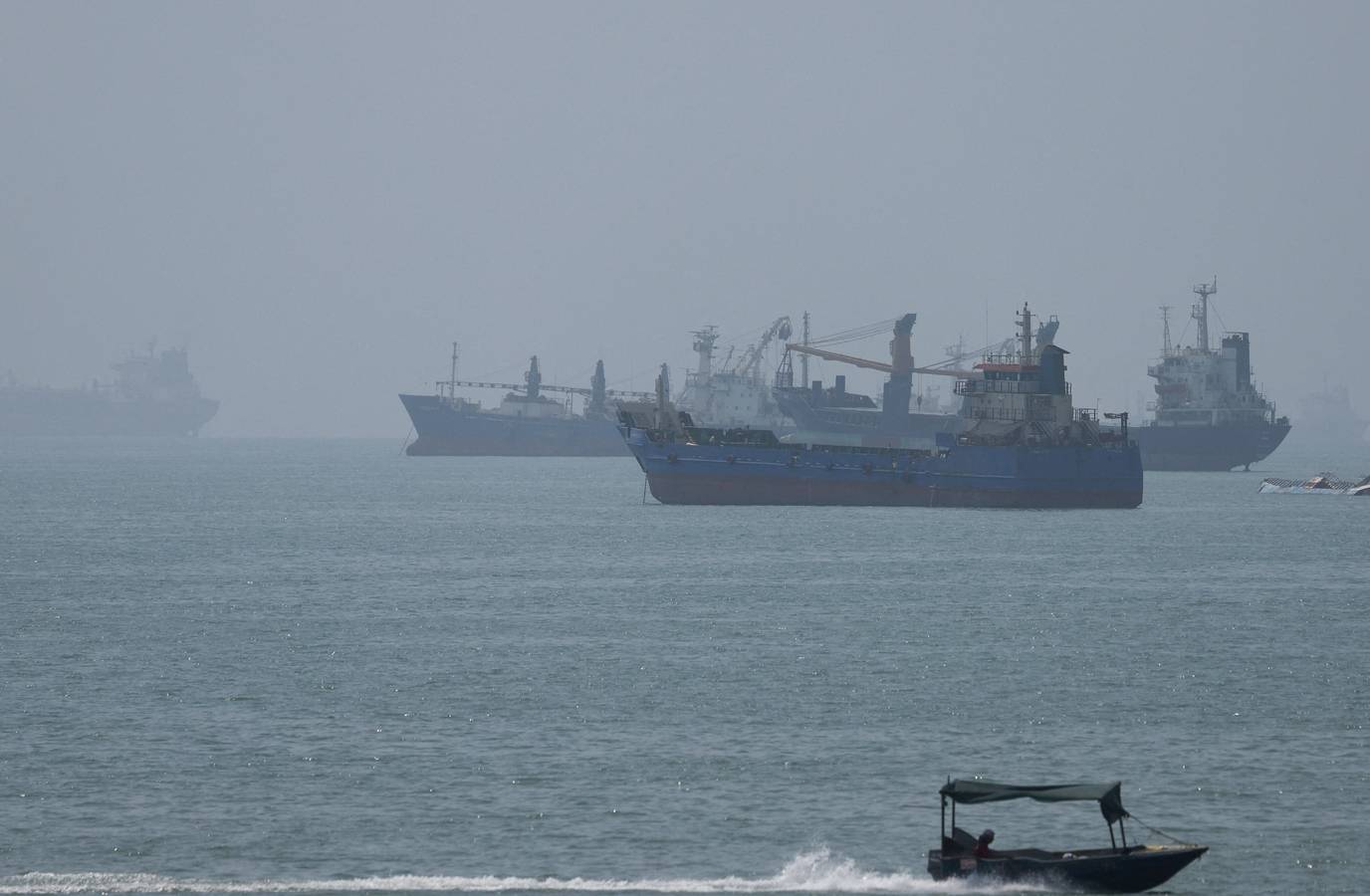

The Iran war reminds us that small strategic moves can mushroom into expanding military commitments. The United States' decision to blockade Iranian ports by controlling access to and from the vital Strait of Hormuz, as a response to Iran's asserting control over it, has echoes in the disastrous Gallipoli campaign of World War I.
By early 1915, Europe's most powerful states had been at war for months, with no end in sight. Keeping Britain and France's ally, Russia, in the fight meant delivering it a steady stream of munitions and other critical war materials. The only realistic route lay through the Ottoman-controlled Dardanelles, the straits linking the Mediterranean and Black Seas.
The Allies underestimated Turkish defences and ignored disagreeable intelligence. With the outbreak of World War I, Turkish forces had set about reinforcing heavy artillery on both shores of the straits and laid mines in the waters. The Anglo-French fleet attempted to clear a path with minesweepers, but the Turkish batteries rained fire on them, driving them off.
The Allies escalated their efforts, and on April 25, 1915, Allied ground troops intervened in an attempt to crush the coastal defences. Though outnumbered, Turkish forces held superior positions and proved a formidable opponent. There were roughly 483,000 Allied and Turkish military casualties. The Allies were forced to withdraw.
The Gallipoli campaign had four key lessons: beware of the allure of the dominant personality, don't fall into the trap of underestimating your enemy, mission creep, and war is costly in terms of human life. These lessons are relevant today, as the US attack on Iran has been labelled as erratic and has significantly underestimated Tehran's resolve and strategic position.