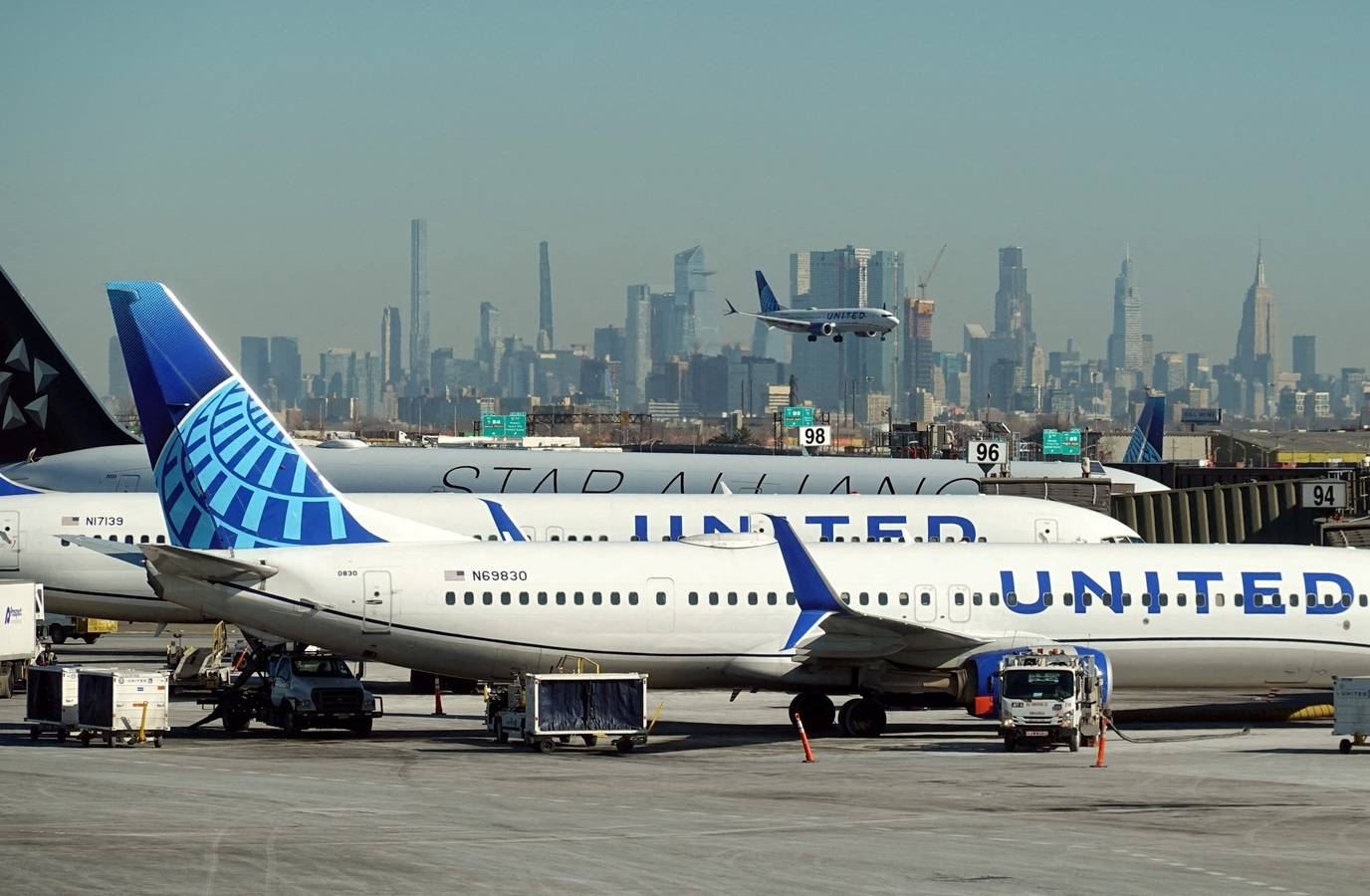
We are now three weeks into the war between the United States, Israel and Iran, which has grown to engulf much of the Middle East. The situation has upended air travel, with missile and drone strikes affecting major airports and key routes through the Middle East being shut down.
The cost of jet fuel has shot up, leading to higher operating costs and reduced capacity for airlines. This means fewer options and higher prices for many travellers.
For those who need to fly for work or personal reasons, high costs or complex routes may be the only option. However, there are some general practical tips for ordinary travellers to help navigate the uncertainty.
Jet fuel costs have nearly doubled since the beginning of the conflict, with little indication of relief on the way. This has pushed up airfares, with some tickets appearing at an extraordinarily high price.
Airlines are using 'dynamic pricing' to identify the highest price passengers are willing to pay, which can be seen as taking advantage of vulnerable passengers. However, airlines argue that this system ensures there is a seat available for someone who desperately needs it.
The conflict has dramatically altered airlines' ability to predict their costs, making it harder to book flights in advance. Will we see a shift in popular flight routes around the world if this conflict drags on? It's hard to say.
For those planning travel in the next couple of months, buying flexible fares and travel insurance can help alleviate the effects of travel disruptions. However, these introduce added costs.
Some airlines have cancellation or rebooking policies for passengers affected by the conflict, but those whose dates aren't eligible shouldn't proactively cancel their flights themselves.