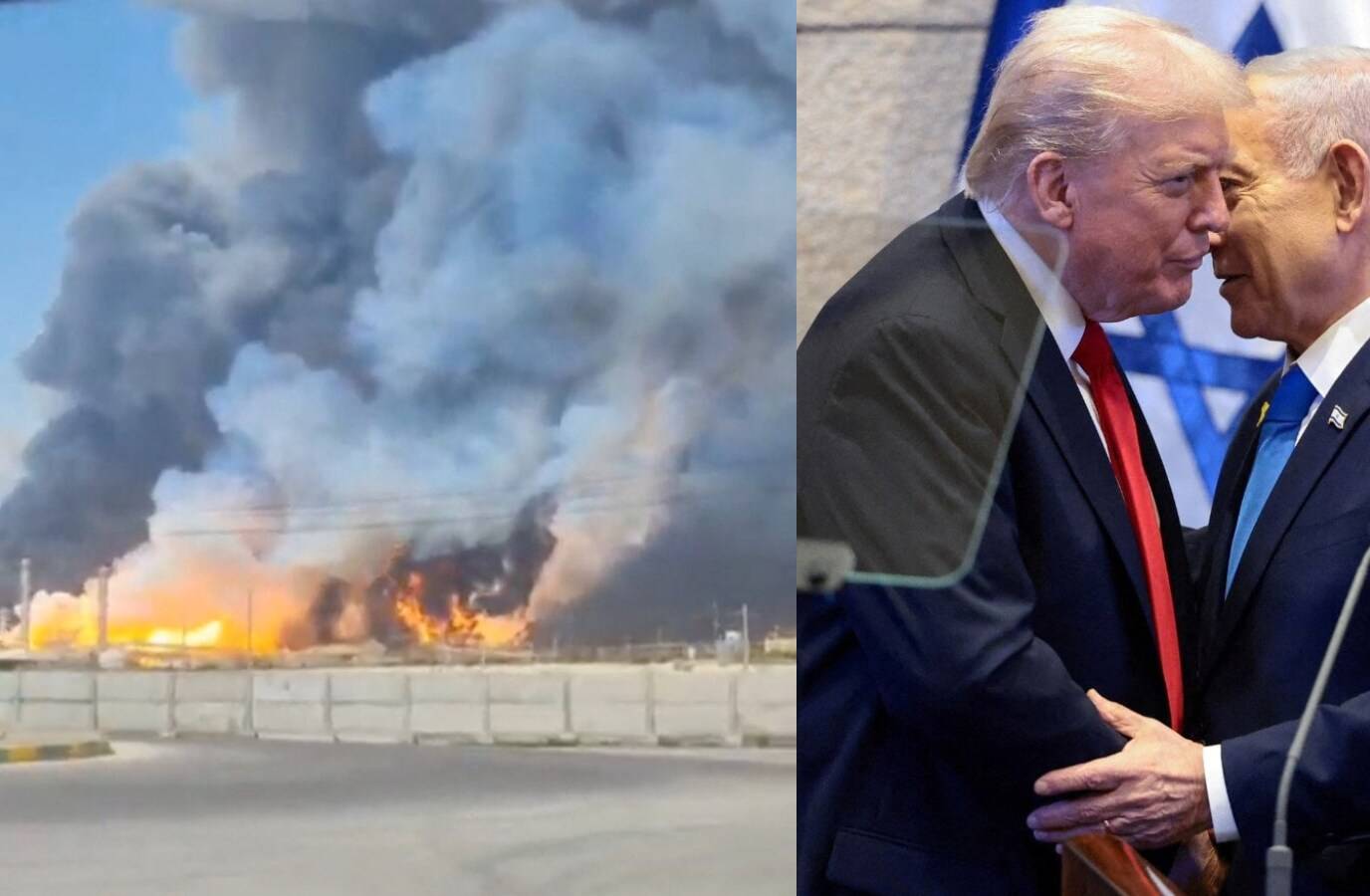
Israel's attack on the South Pars gas field has sharply increased tensions in a conflict that's sending shockwaves across the global economy. Iran responded by targeting energy infrastructure in West Asia, pushing up oil and gas prices and leading to differences between US President Donald Trump and Israeli Prime Minister Benjamin Netanyahu over Tel Aviv's action against Tehran.
The South Pars gas field, the world's largest of its kind, is shared between Qatar and Iran. It's a crucial energy source for Iran, meeting around 80 per cent of its natural gas demand. Tehran's total gas output stood at 276 billion cubic metres in 2024, with about 94% used domestically.
In retaliation, Tehran struck Qatar's energy facilities in Ras Laffan industrial city, raising concerns for India, which depends on imports for more than 88% of its crude oil and around 50% of its gas. The conflict has already affected India's gas supplies from Qatar, its biggest source.
The attack on Ras Laffan has pushed up natural gas prices in Asia and Europe, with Qatar cutting its exports by around 17 per cent, leading to an estimated $20 billion in annual losses. Repairs could take up to five years, even though output had already stopped after earlier strikes.