The Iran war, sparked by a US-Israeli military operation against Iran, has entered its 97th day with no clear path to peace. The conflict has raised fears of a prolonged energy shock as global trade through the Strait of Hormuz remains disrupted.
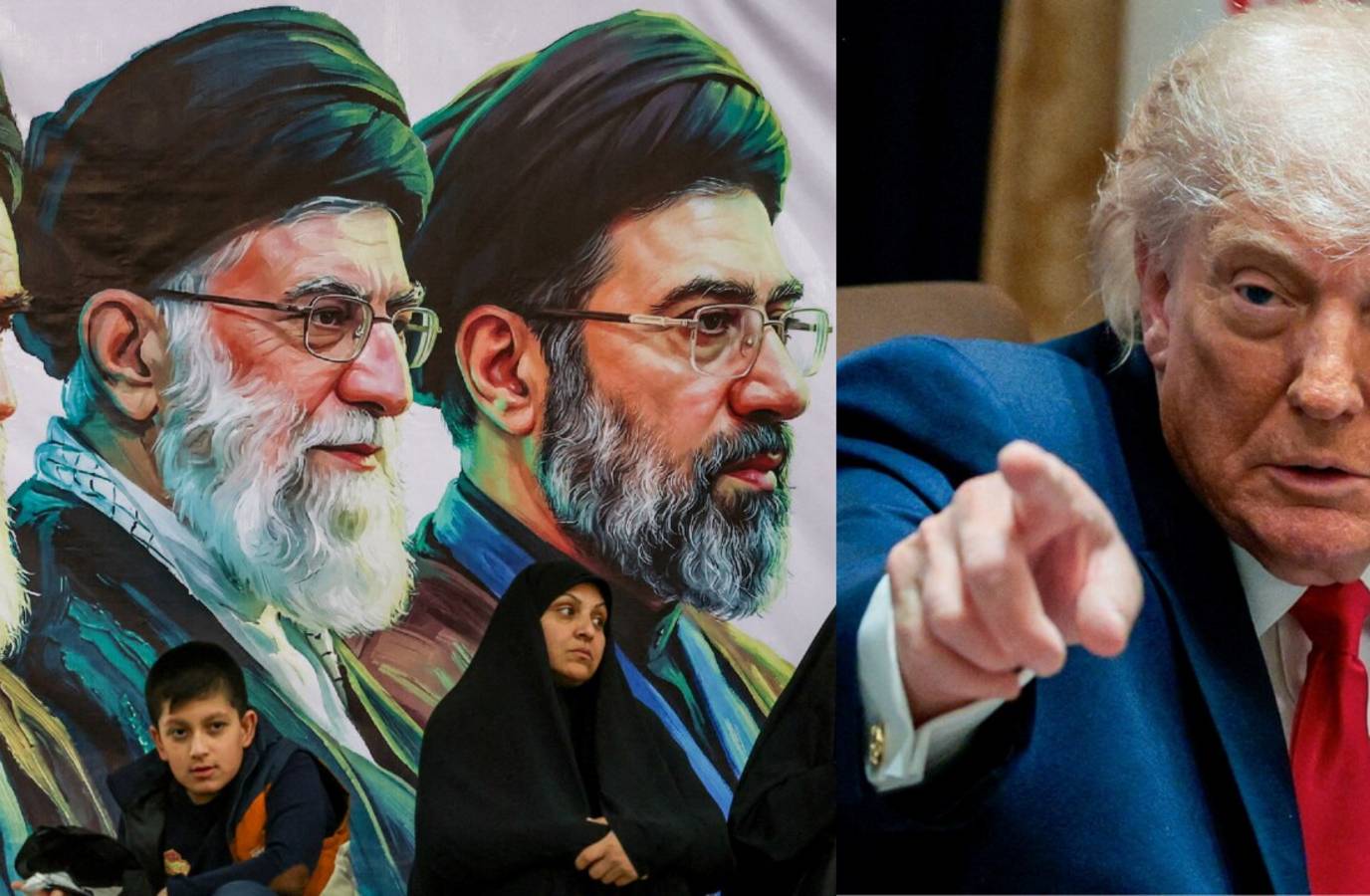
US and Iranian negotiators reportedly reached a tentative agreement to extend the ceasefire and launch fresh discussions on Iran's nuclear programme, but progress has stalled after US President Donald Trump sought unspecified changes to the proposal.
The uncertainty has been compounded by fresh military exchanges between the two sides, fuelling concerns that the ceasefire could unravel.
The conflict has also forced Gulf nations to reassess their regional security and stability, with thousands of missiles and drones targeting infrastructure across the region.
The blockade of the Strait of Hormuz has disrupted trade routes and weakened economic confidence, driving up operating costs and affecting the region's energy sector.
Oil markets showed signs of optimism after reports of a ceasefire deal between Israel and Lebanon, but prices have remained elevated for most of the nearly three-month conflict.
The situation in Lebanon remains another major obstacle to broader regional de-escalation, with Hezbollah chief Naim Qassem rejecting a conditional truce and insisting on a comprehensive ceasefire and full Israeli withdrawal.