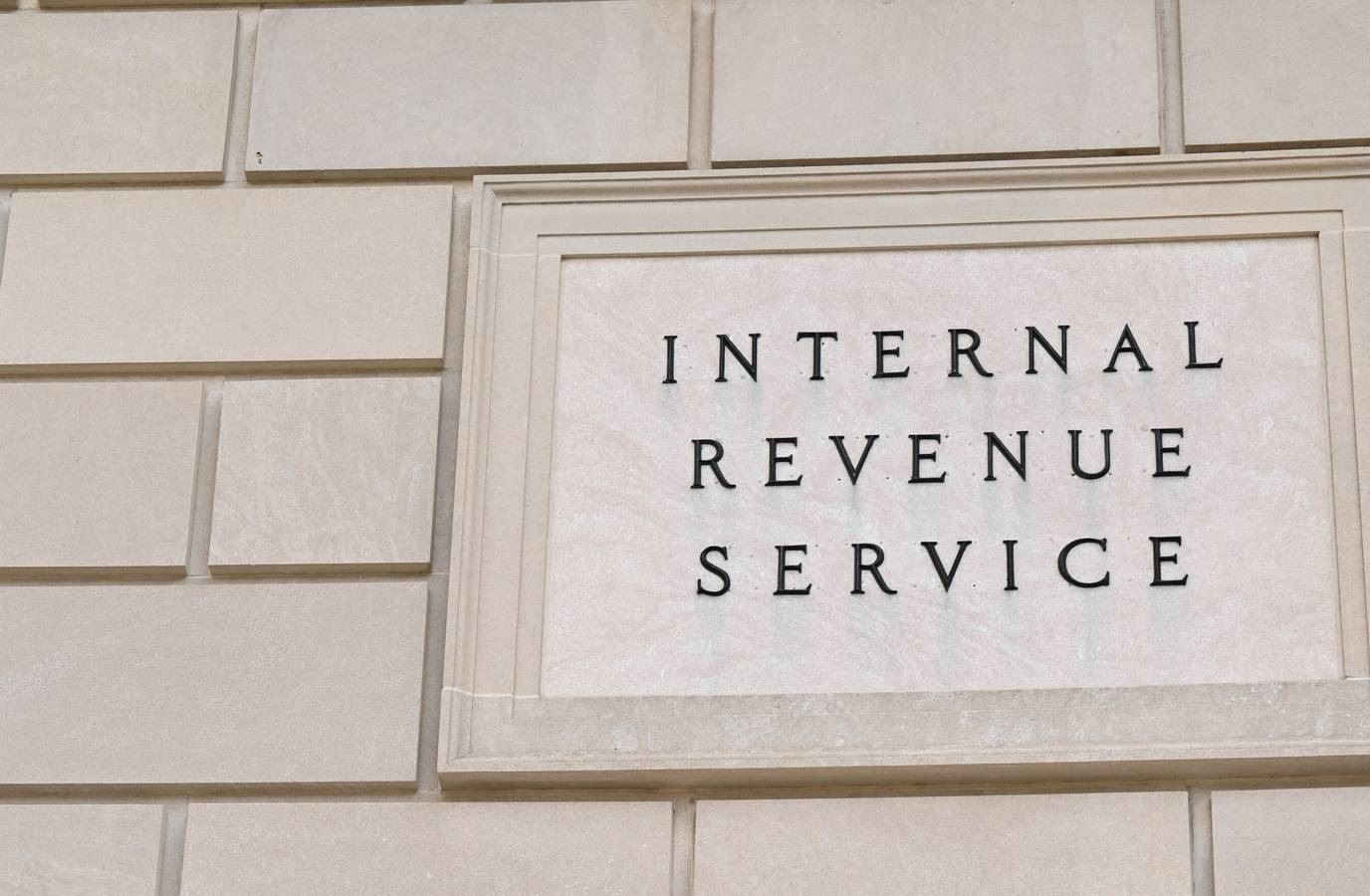
The Internal Revenue Service (IRS) has clarified its stance on credit card rewards, stating that not all rewards are tax-free. According to IRS rules, most credit card rewards are not taxable as they are treated as discounts or rebates, not income. This includes rewards earned from normal spending, such as cash back, airline miles, and hotel points, as well as welcome bonuses that require cardholders to spend a certain amount before receiving the reward. However, there are two exceptions: rewards earned without spending a dime, known as the 'no spend' rule, and referral bonuses.
The 'no spend' rule applies to rewards earned simply for opening a credit card account without any initial spending requirement. In such cases, the reward can be considered taxable income, and the credit card company may send a 1099 form. Taxpayers are responsible for reporting taxable rewards under this rule, even if they don't receive a 1099 form.
Referral bonuses, earned when a cardholder recommends a credit card to friends or family and receives a benefit in return, are also generally treated as taxable income. Taxpayers who receive referral rewards may need to report them through a 1099 form.
Taxpayers are responsible for making sure taxable rewards are properly reported through Form 1099-MISC when the income exceeds $600. The IRS also notes that many Americans carefully plan how they will use their tax refunds, with 79% expecting to receive some form of tax refund this year.
According to a survey by Talker Research, 52% of respondents plan to use their refund for essential expenses, while 37% intend to use their refund to pay off credit card debt. Only 8% of respondents plan to spend their refund on luxury purchases.
The survey also found that the average taxpayer hopes to receive around $1,700 as a refund this year, with 22% expecting a larger refund than last year. Taxpayers can choose to pay their tax bill with a credit card to earn rewards, but third-party payment processors charge fees that can reduce or eliminate the value of those rewards.
Taxpayers should compare the value of the rewards they earn against the fees they pay before deciding to use a credit card. The deadline for filing 2025 taxes is April 15, while taxpayers in Maine and Massachusetts have until April 17. Americans who need more time can request a filing extension until October 15.