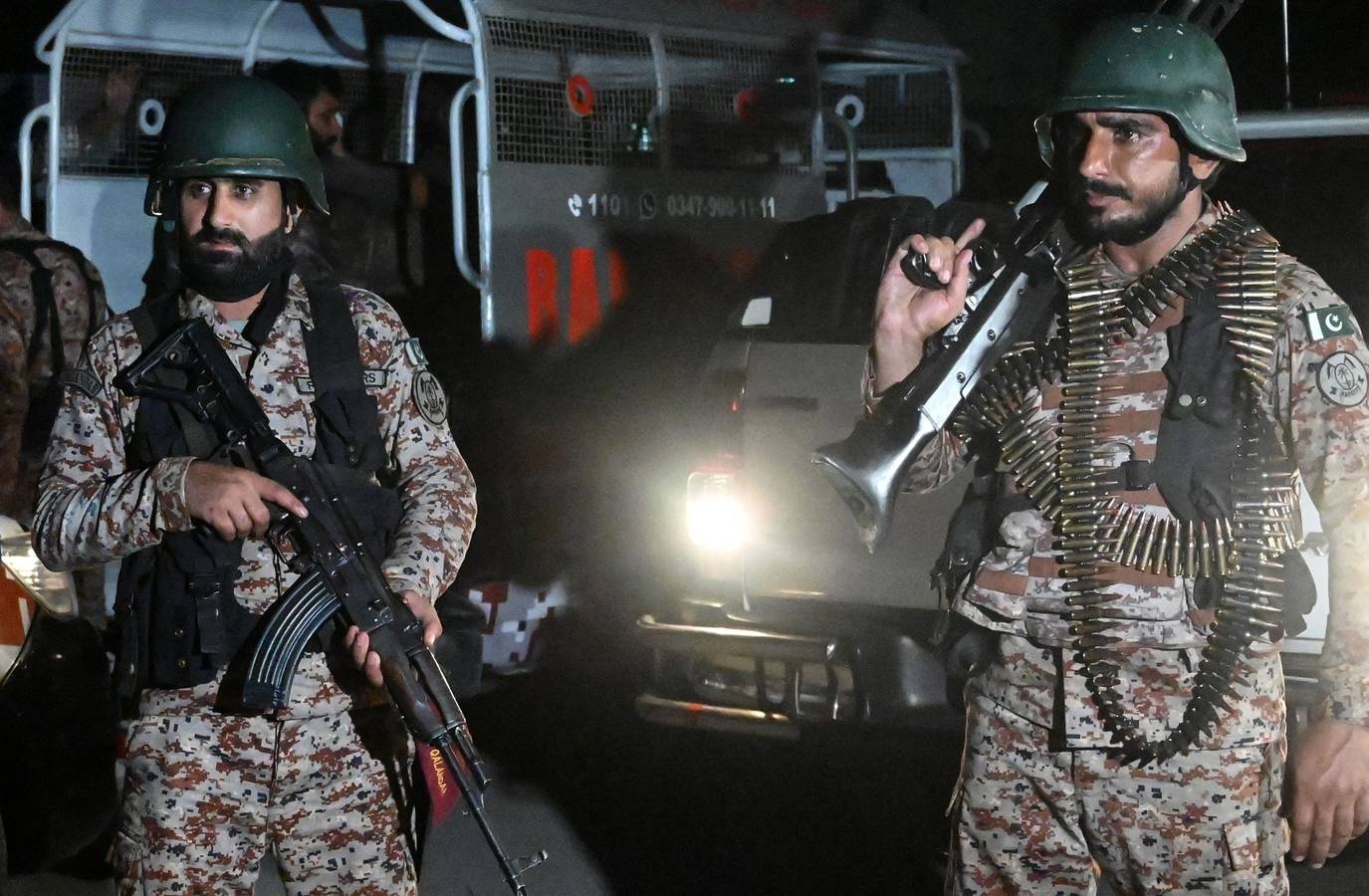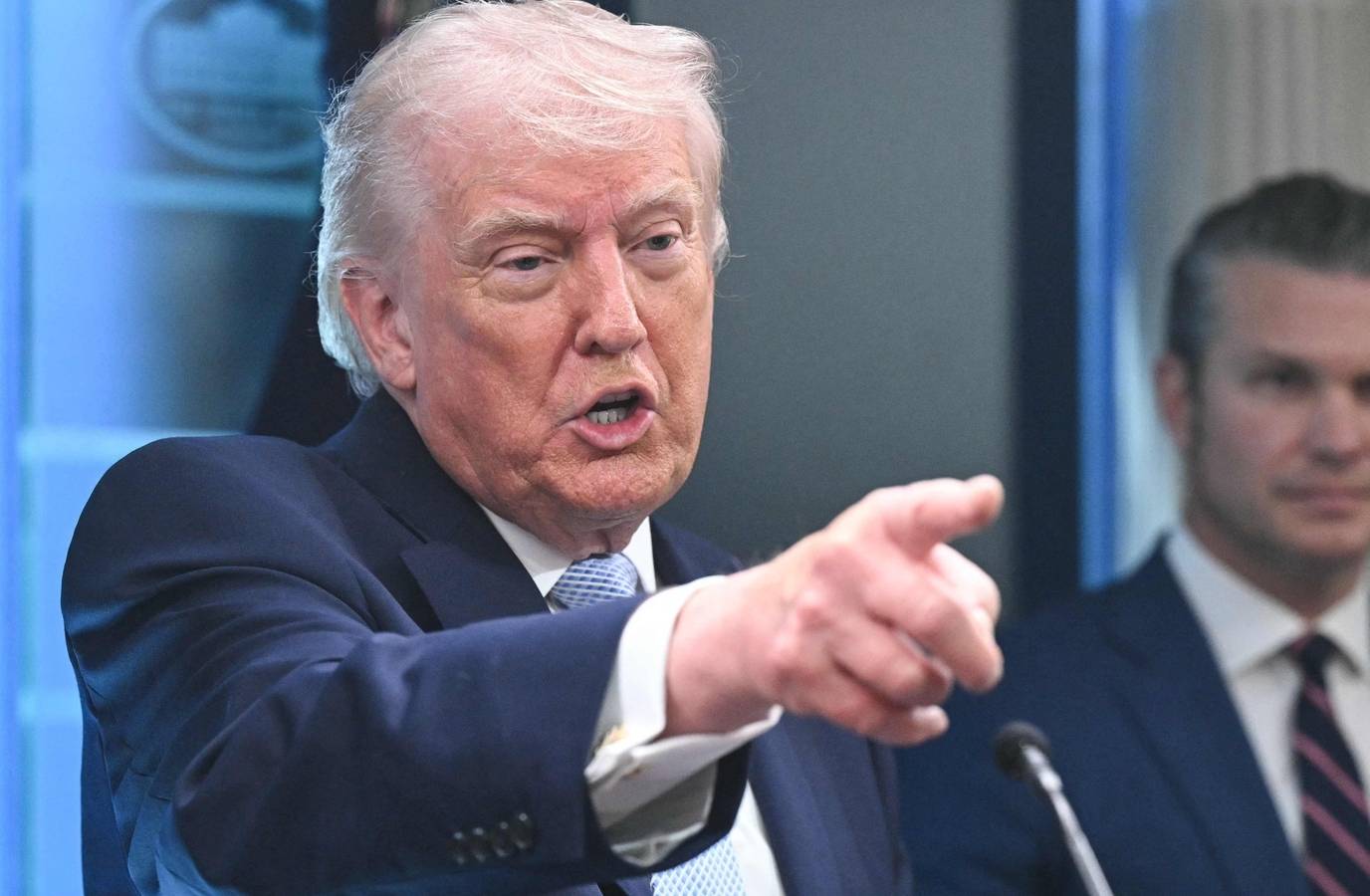
In a last-minute diplomatic turn, US President Donald Trump announced a temporary halt to planned strikes on Iran, crediting urgent backchannel appeals from Shehbaz Sharif and Pakistan Army chief Asim Munir.
Pakistan emerged as the central intermediary, while China reportedly played a role by reinforcing calls for de-escalation.
Trump said, “Based on conversations with Prime Minister Shehbaz Sharif and Field Marshal Asim Munir, of Pakistan, and wherein they requested that I hold off the destructive force being sent tonight to Iran, and subject to the Islamic Republic of Iran agreeing to the COMPLETE, IMMEDIATE, and SAFE OPENING of the Strait of Hormuz, I agree to suspend the bombing and attack of Iran for a period of two weeks.”
The move followed direct backchannel outreach from Sharif and Munir, who urged restraint and positioned Pakistan at the centre of efforts to defuse the crisis.
China played a quieter but influential role by nudging Tehran towards a ceasefire path through intermediaries including Pakistan, Turkey and Egypt.
Taken together, the sequence suggests the ceasefire push was not the result of a single actor, but a convergence: Pakistan’s last-minute mediation, China’s quiet pressure, and Iran’s readiness to engage — all culminating in Trump’s decision to pause strikes and open a narrow window for negotiations.