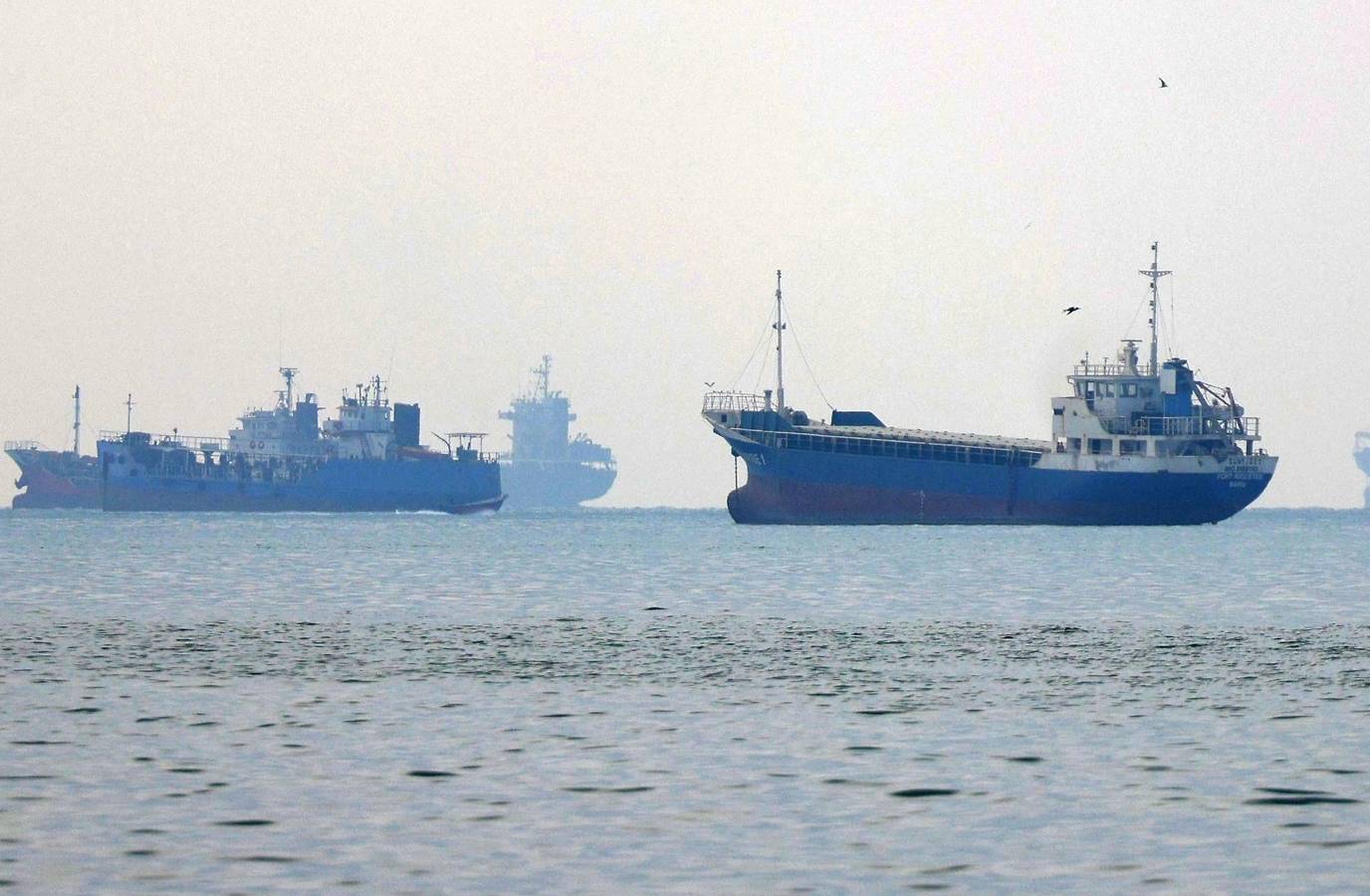
Donald Trump's decision to impose a blockade on Iranian ports and coastal areas has sparked concerns about the potential consequences for global energy markets and international relations.
The blockade, which went into effect on April 13th, aims to choke off Iran's economic lifeline and force the regime to make concessions in peace talks, particularly over its nuclear program.
However, experts warn that the blockade could compound the global energy crisis, lead to fresh escalation, and have far-reaching implications for countries like India, China, and Turkey.
The economic and political aspects of the blockade are complex, and its feasibility is uncertain. Iran has already survived economic pressure in the past, and it may be able to endure several months of pressure by printing money, selling oil in floating storage, and securing informal credit from suppliers.
The blockade could also disrupt seaborne imports, including wheat, maize, and soyabeans, which are essential for Iran's food security. This could lead to a significant increase in food prices, which are already high in Iran.
Moreover, the blockade could trigger a serious problem for countries like Iraq, which relies heavily on imports through the Strait of Hormuz. The loss of Iranian oil output alone is not catastrophic, but it compounds the far larger volume of Gulf supply trapped by the largely closed strait.
The measure looks unlikely to survive a few weeks without triggering another mighty price surge, and it could also lead to attacks on neutral shipping, including Red Sea shipping by Iran's Houthi allies in Yemen.
The blockade has also raised concerns about the principle of freedom of navigation, which is coming under enormous stress. It is a high-stakes gamble with global consequences, and its outcome is uncertain.