Hopes for a US-Iran peace deal have faded as the war enters its second month, with President Donald Trump calling off a diplomatic mission and Iran's foreign minister continuing shuttle diplomacy across the region.
Iran's foreign minister, Abbas Araghchi, has been traveling between Pakistan, Oman, and Moscow, where he is expected to meet Russian President Vladimir Putin, in a bid to keep negotiations alive despite the absence of direct engagement between Washington and Tehran.
Trump scrapped a planned visit by his envoys to Islamabad, citing the cost and travel time for what he described as an inadequate Iranian offer, and said Washington was open to talks only by phone.
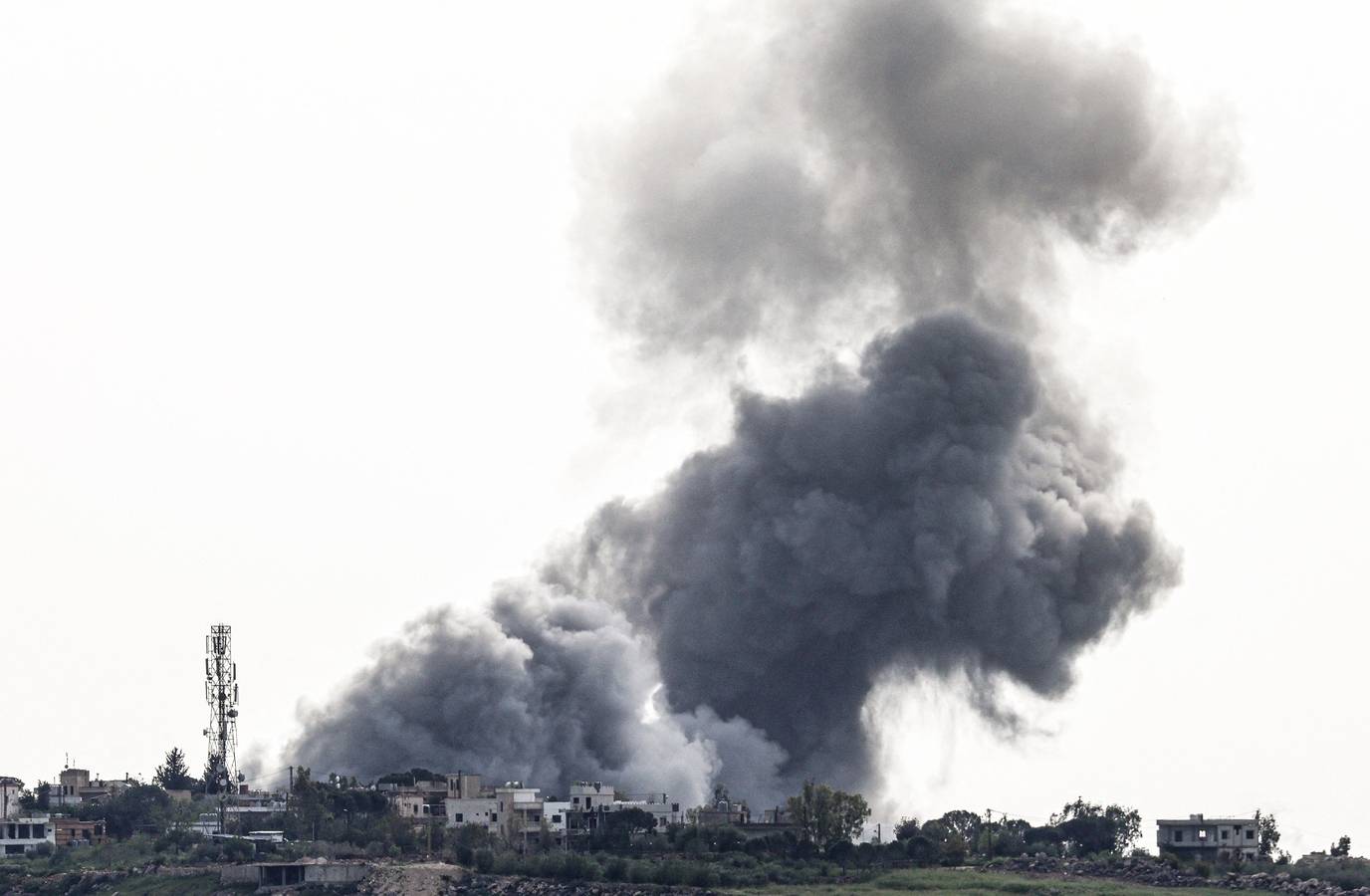
The latest developments come despite a ceasefire that has largely halted full-scale fighting in the conflict, which began with US-Israeli strikes on Iran on February 28.
No agreement has been reached on terms to end a war that has killed thousands, disrupted global energy supplies, and weighed on economic growth.
Araghchi's regional outreach reflects attempts to sustain indirect talks, with meetings in Pakistan, Oman, Qatar, and Saudi Arabia, where he called for a regional security framework free of external interference.
Tehran has insisted that any future negotiations remain indirect, with Pakistani officials acting as intermediaries, reflecting deep mistrust after previous rounds of talks collapsed.
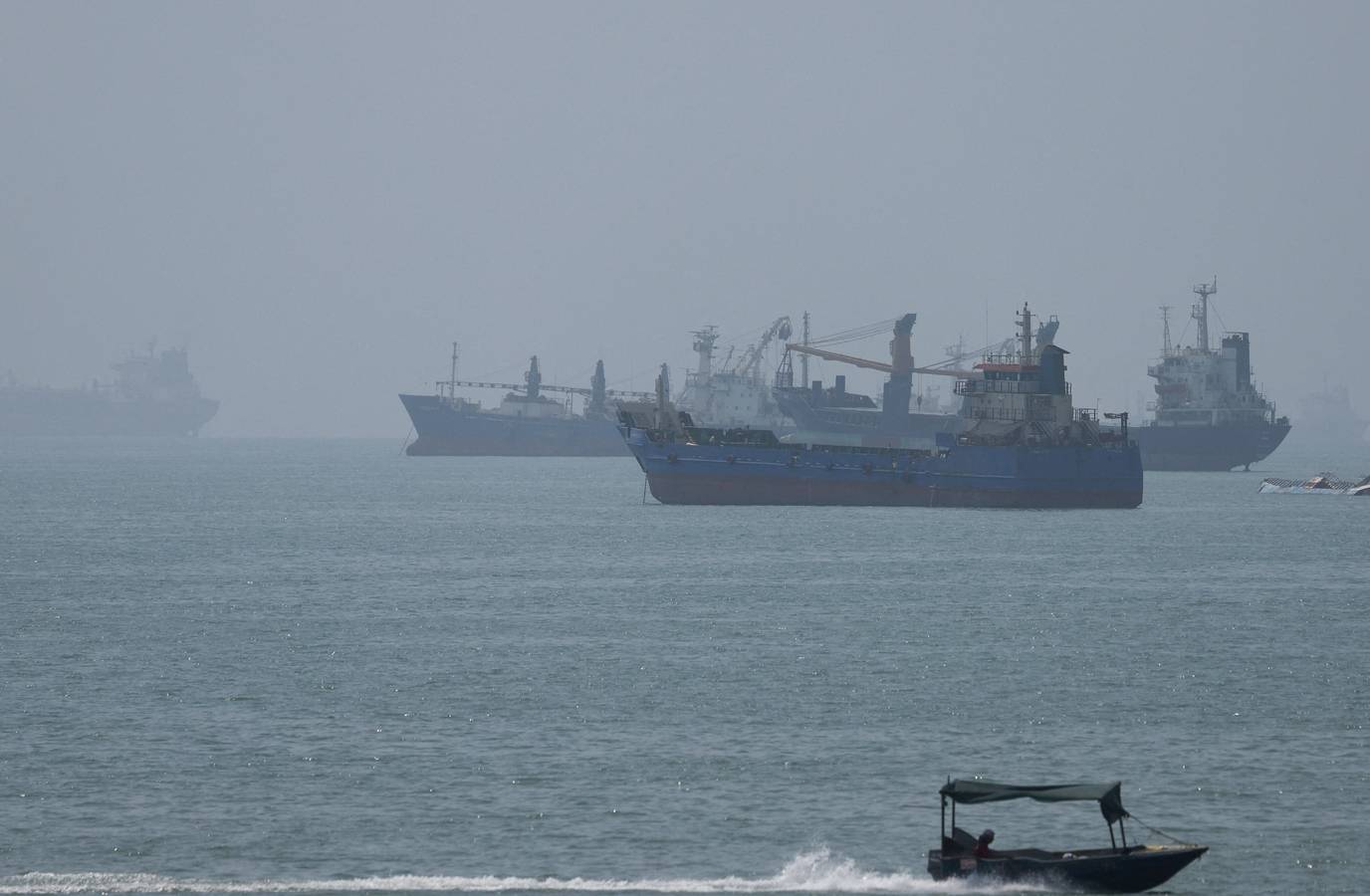
The standoff continues at the Strait of Hormuz, through which roughly a fifth of global oil shipments pass, with Iran restricting movement through the waterway and the United States tightening enforcement of a blockade on Iranian ports.