The United States has begun enforcing a maritime blockade around Iranian ports, marking a significant escalation in tensions after negotiations failed in Islamabad.
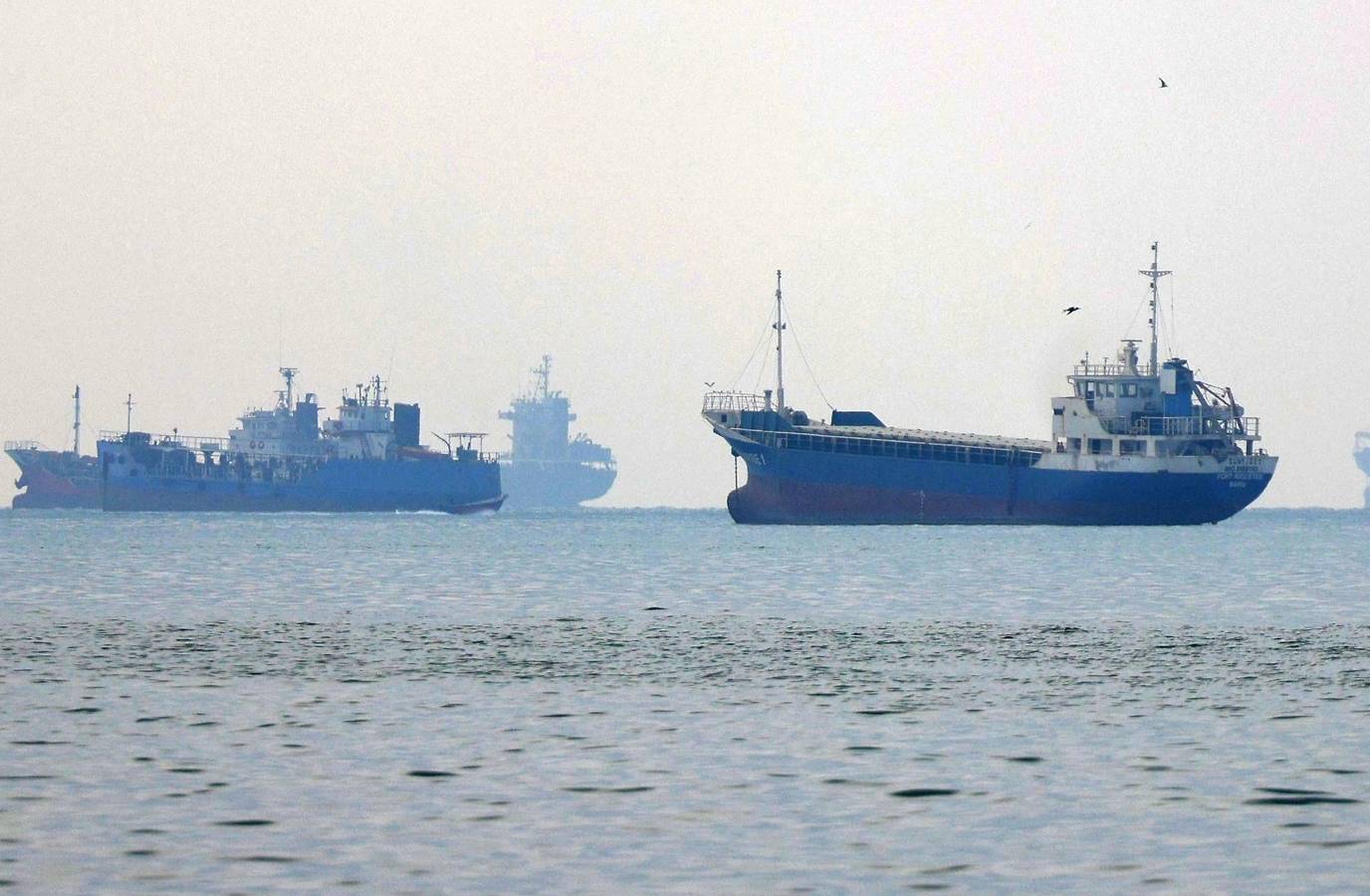
US naval forces deployed over 15 warships across the region to monitor and control vessels moving in and out of Iranian ports, positioning ships on either side of the strait to intercept and inspect maritime traffic.
Vessels suspected of violating the blockade can be stopped and inspected, with US Marines and Navy SEALs potentially boarding ships by force, supported by helicopters operating from aircraft carriers, destroyers, and amphibious ships.
The US is also using surveillance systems, open-source tracking data, and regional intelligence inputs to monitor ship movements, with boarding teams potentially deployed from nearby Gulf countries to extend operational reach.
However, officials and former commanders have indicated that enforcing the blockade requires sustained resources and coordination, with operational challenges including the geography of the Strait of Hormuz and potential risks from drones, naval mines, and fast-attack boats.
The blockade is part of a broader effort by US President Donald Trump to restrict Iran's oil exports, a major source of its revenue, with Washington seeking concessions from Iran including ending uranium enrichment and stopping support for regional armed groups.