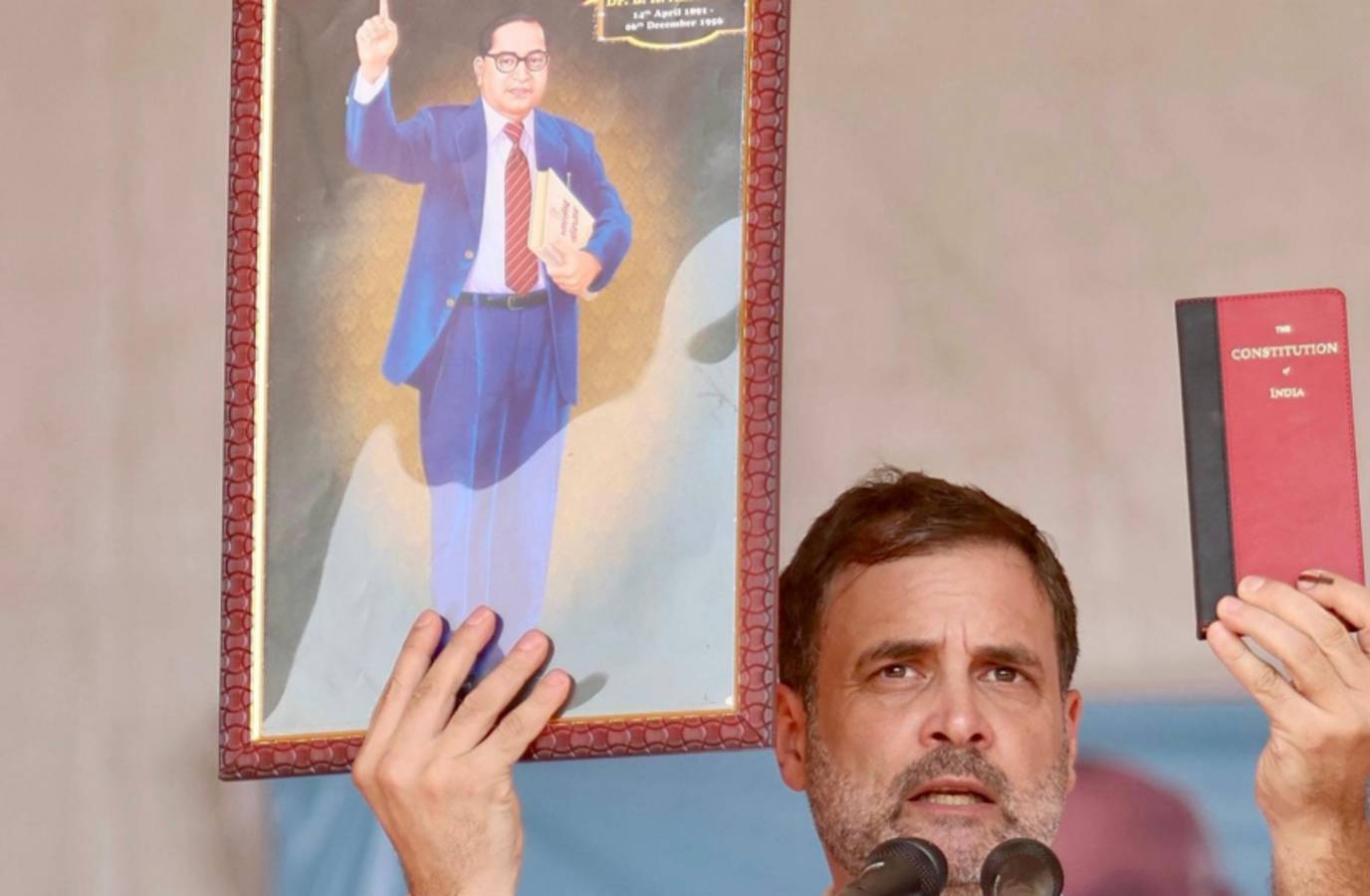
Congress leader Rahul Gandhi has been credited with smooth power transitions in Karnataka, Tamil Nadu, and Kerala, following the party's victory in the 2023 Telangana assembly elections. However, the Congress faces its toughest challenge in Uttar Pradesh, where the party's performance in the 2024 national polls, in alliance with the Samajwadi Party (SP), raised hopes of recovering from a terminal decline.
The Congress-SP alliance won 43 of the 80 Lok Sabha seats in Uttar Pradesh and polled 43.52% of the votes. The Congress bagged six of the 17 seats it contested and secured 9.46% of the votes. The Bharatiya Janata Party's (BJP) seats fell from 62 in 2019 to 33, dropping its overall tally below the majority mark in Parliament for the first time since 2014.
Maintaining the momentum in Uttar Pradesh is easier said than done for the Congress. The party's revival talk needs a reality check, as it has been the same old story, election after election, in the last three decades.
The seat-sharing talks between Rahul Gandhi and SP chief Akhilesh Yadav are scheduled for next week amid confusion following the unsuccessful attempt by Congress leaders Rajendra Pal Gautam and Tanuj Punia to meet Bahujan Samajwadi Party (BSP) chief Mayawati last month.
The Congress is demanding over 100 seats for the 2027 polls and threatening to go solo if denied a respectable number. Yadav has maintained that the SP's alliance with the Congress will continue, but winnability will decide the number of seats each party will contest.
The Congress contested 114 seats in the 2017 assembly polls. Congress leaders argue that the alliance offers advantages to the SP despite its decline by helping the consolidation of Muslim voters and attracting Dalits, who otherwise are hesitant to support a party whose core voters are the Yadavs.
The SP has highlighted the strike rate and the Congress's lack of cadre and winnable candidates. Congress leaders insist that Rahul Gandhi and Yadav have developed better communication since 2017.