
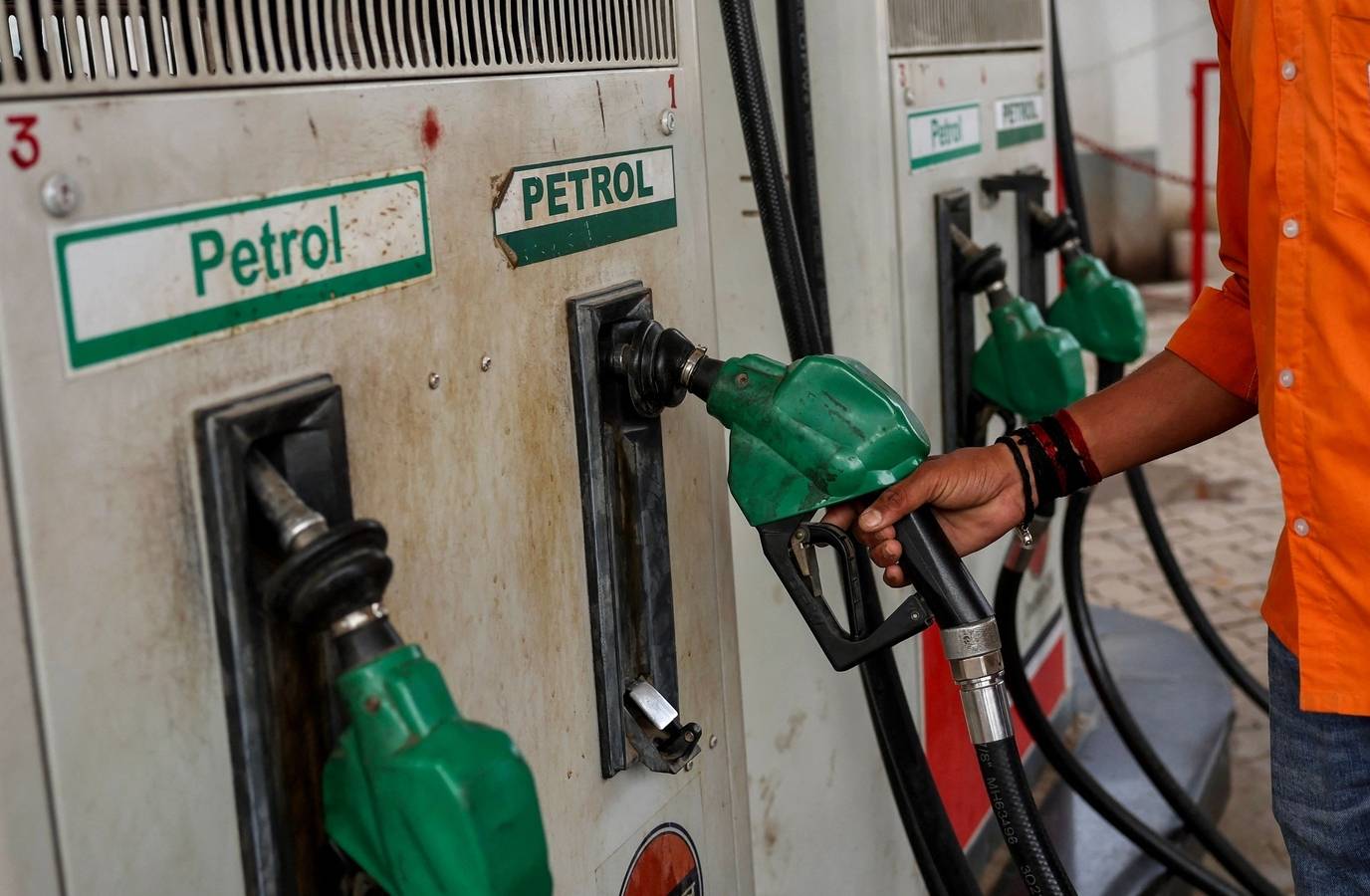
The Indian government is considering E100 fuel blending and a transition to flex-fuel vehicles to reduce the country's dependence on imported crude oil. Senior officials announced that the Centre has allowed blending in aviation fuel, produced from used cooking oil or ethanol.
The steps come amid a growing energy crisis triggered by the war in West Asia, which has choked supplies of crude oil and gas. The government has allowed blends of sustainable aviation fuel (SAF), produced from used cooking oil or ethanol.
Flex-fuel vehicles are designed to run on any mixture of ethanol and petrol, from pure petrol to E100, with onboard sensors adjusting engine parameters accordingly. There is precedent: Brazil operates the world's most mature flex-fuel programme since 2003, where sugarcane-derived ethanol powers a large share of the vehicle fleet.
The government has also granted several regulatory exemptions to encourage adoption and use of alternate fuels across industrial sectors. DPIIT's arm petroleum and explosives safety organization (PESO) has expeditiously given regulatory approvals to 467 applications for installing compressed natural gas (CNG) and compressed bio gas (CBG) dispensing stations.