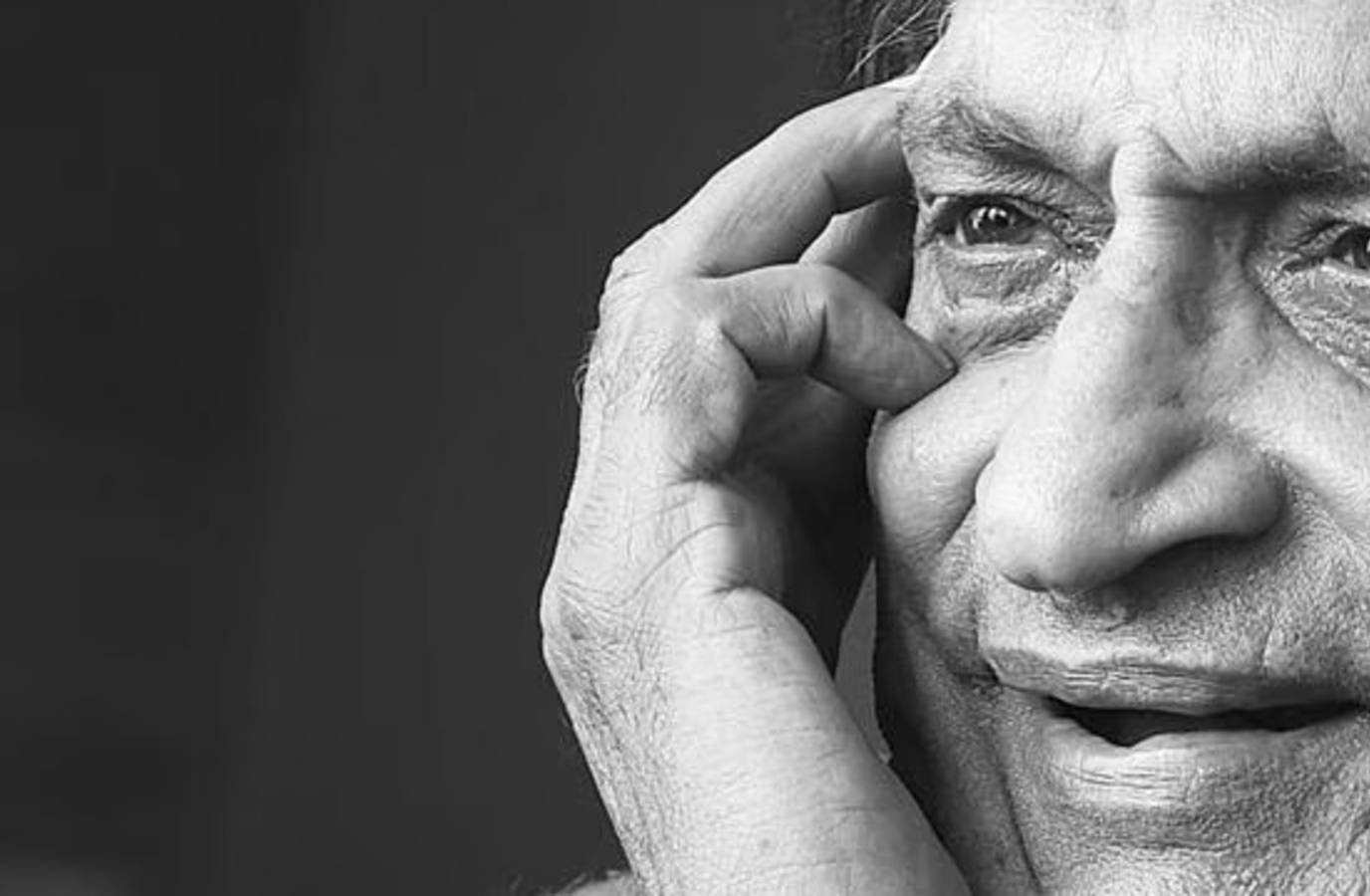
India has lost one of its most influential photojournalists, Raghu Rai, who spent six decades capturing the country's defining moments through his lens. Born on December 18, 1942, in Punjab, Rai's accidental entry into photography led to a career spanning Magnum Photos, Time, Life, and The New Yorker magazines.
Rai's approach to photography was unique, as he believed that colour photos lacked seriousness and often distracted from the truth. He preferred black-and-white photography, which he thought demanded more work from both the photographer and the viewer, rewarding them with a deeper understanding of the subject.
Throughout his career, Rai consistently held that colour risked turning a photograph decorative, while monochrome stripped away that temptation. He was also deeply suspicious of staged photography, believing that genuine images emerged only in unguarded moments.
Rai's legacy includes over 18 books, the Raghu Rai Centre for Photography, and prestigious awards like the Padma Shri and the Lucie Foundation's Master of Photojournalism awards. His photographs of Mother Teresa, Indira Gandhi, the Dalai Lama, and the anonymous millions of India's streets are a visual record of a nation in constant motion.