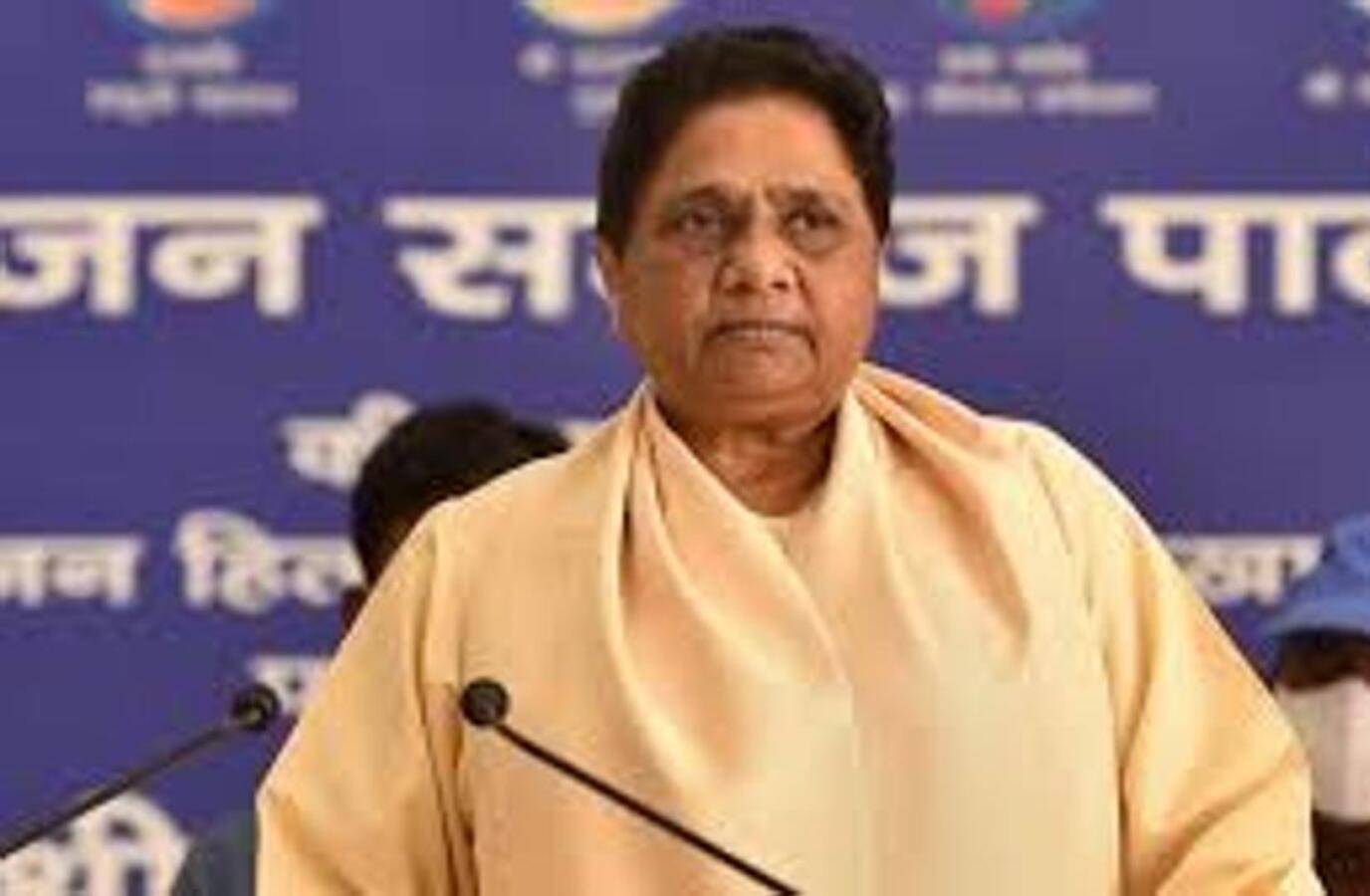
Former Uttar Pradesh chief minister Mayawati remains a significant figure in Indian politics, despite the Bahujan Samaj Party's (BSP) decline. In her memoir, Mayawati describes the BSP as a symbol of the dignity of the Bahujan Samaj, which constitutes over 75% of the population.
Mayawati's standing in Indian politics is such that her rivals can criticize or condemn her, but they cannot ignore her. The BSP won only one seat in the 403-member Uttar Pradesh assembly in 2022, and the party has no seats in Parliament. However, Mayawati remains the pre-eminent Dalit leader, particularly among the Jatavs, who are expected to play a crucial role in the 2027 assembly elections.
Opponents try to keep Mayawati in good humour, given her hold over a crucial vote bank. The ruling Bharatiya Janata Party (BJP) avoids criticizing her, while the Samajwadi Party (SP) and the Congress continue to seek cordial relations. Mayawati does not spare the Opposition, and remains soft on the BJP, as the parties intensify efforts to attract Dalit votes in the run-up to the 2027 elections.
Ambedkar Jayanti, marking the birth anniversary of Dalit icon Bhimrao Ambedkar, is a significant day for political parties to show their commitment to Dalits. However, symbolic gestures often remind Dalits of their status on the day they want to celebrate and assert their identity with pride.
The Dalit sentiment is clear: 'We exist and live a life of dignity because of him.' Ambedkar Jayanti is a festival for them like Diwali and Holi. Celebrations are held from Parliament to villages, involving seminars, lighting of lamps in homes, distribution of sweets, and processions.
Bhimwadi, or songs dedicated to Ambedkar, are played across the state throughout April. Dalits want more than just lip service as quotas remain their major concerns. They have been demanding the inclusion of reservations in the Constitution's Ninth Schedule to protect them from judicial review, the introduction of quotas in the private sector, the army, and a stricter law to end discrimination and violence.
The BSP's loss of ground has prompted Dalits to look for options. Meanwhile, a literary movement that contributed to the Dalit political empowerment has also started fading. As many as 1,500 Dalit writers have written popular books and booklets since the 1980s, making them a political force to reckon with.