
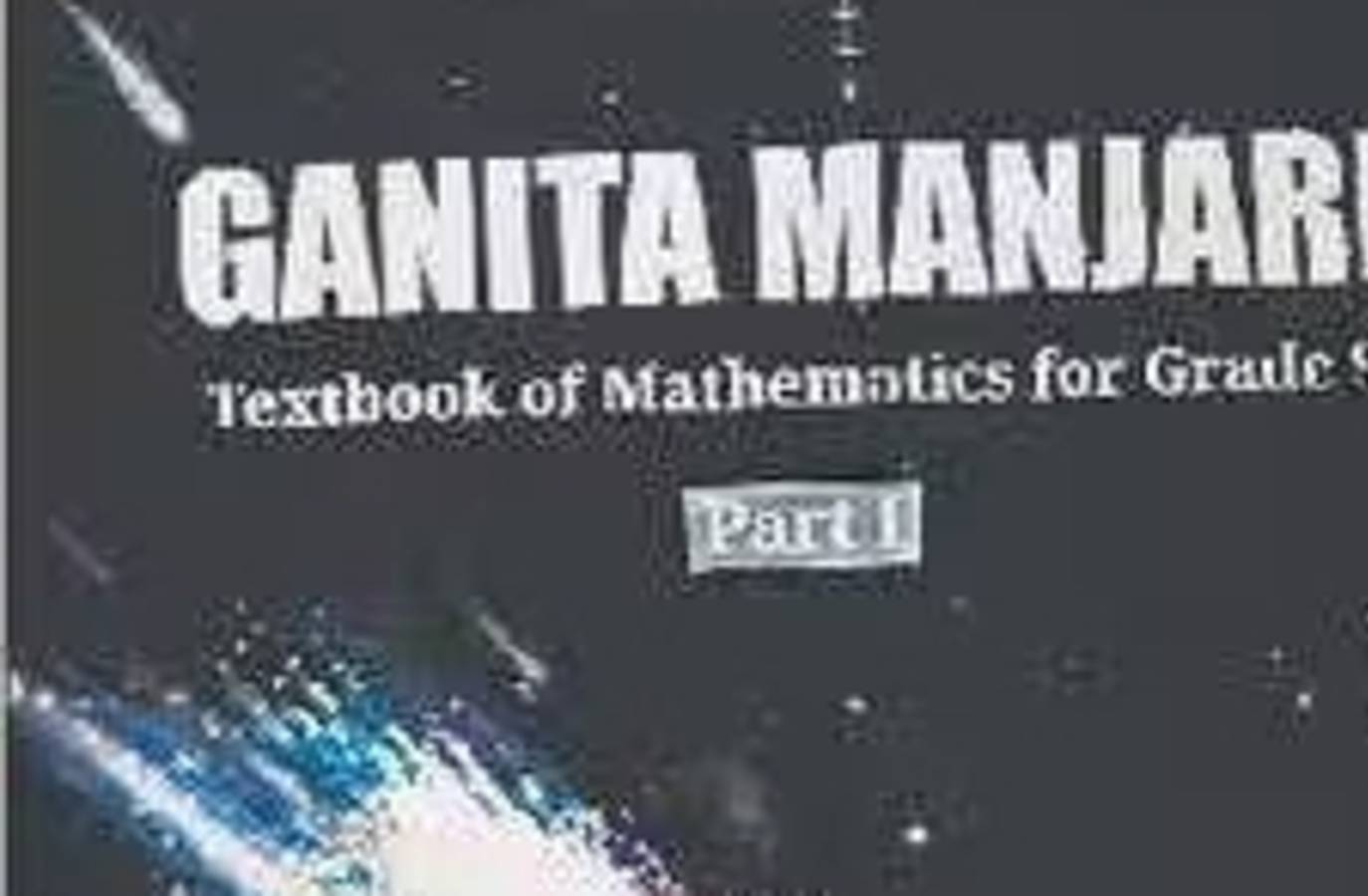
A new Class 9 mathematics textbook by the National Council of Educational Research and Training (NCERT) highlights the significant contributions of ancient India to mathematics.
The 196-page textbook, titled Ganita Manjari Part 1, extensively integrates Indian Knowledge System (IKS) and credits ancient Indian mathematicians for laying the foundation of coordinate geometry, calculus, and the concept of zero.
The book states that the Sindhu-Sarasvati civilisation was the first systematic use of grid-based thinking and that Ujjayini marked the central longitude meridian in the ancient world.
It credits Baudhayana for laying the foundation of coordinate geometry, Madhava for birthed the area of mathematics known as calculus, and Brahmagupta for formalising the notion and use of zero and the negative numbers as algebraic entities.
The textbook also notes that the Rigveda set the stage for the modern number system and that the concept of zero was influenced by Indian philosophical traditions.
The new textbook replaces the earlier Class 9 mathematics textbook, which only made limited references to ancient India.