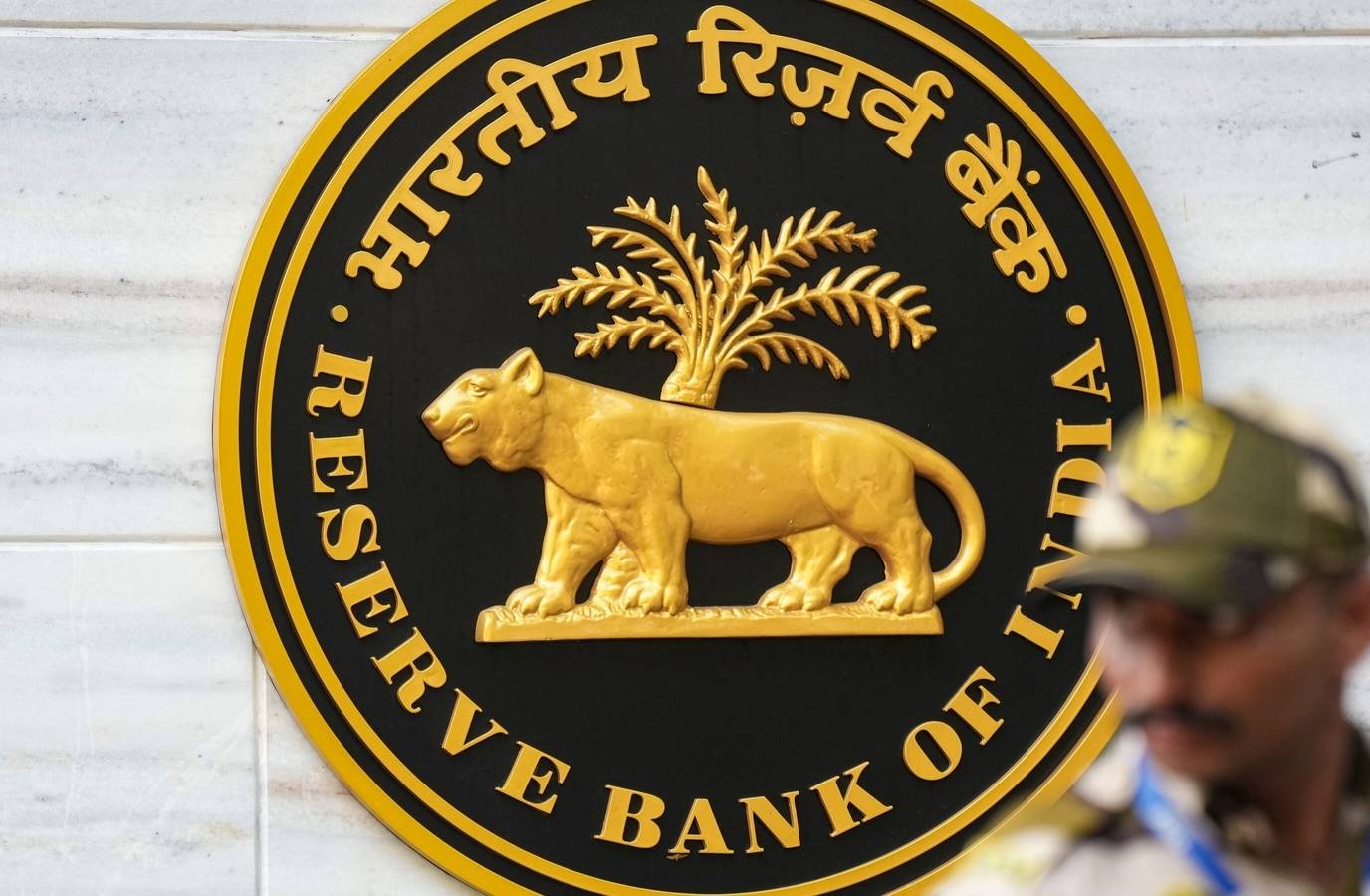
The Reserve Bank of India's Monetary Policy Committee maintained its status quo on monetary policy rate and stance, keeping it at 5.25% and neutral, despite reducing its growth forecast and increasing its inflation forecast for the year.
The RBI also announced a slew of measures to attract more foreign capital in the economy, including waiving capital gains tax on investment in government bonds and allowing greater play to foreign investors in both equity and government bond markets.
Analysts see the RBI's actions as a rightful reiteration of the "principle of separability" in India's Inflation targeting framework, where interest rates tackle growth-inflation balance and other measures are deployed to address external sector challenges.
The Indian economy is expected to grow at 6.6% in 2026-27 with an inflation of 5.1%, according to the RBI's projections.
However, the economic situation is expected to become worse before it gets better, as evident in the RBI's assessment that "while the economy has withstood the conflict spillovers with limited impact so far; the strains are increasingly becoming visible".
Experts welcomed the measures but see their ability to address the challenge as partial, saying that India requires roughly $7-8bn per month in capital inflows to balance the BoP.