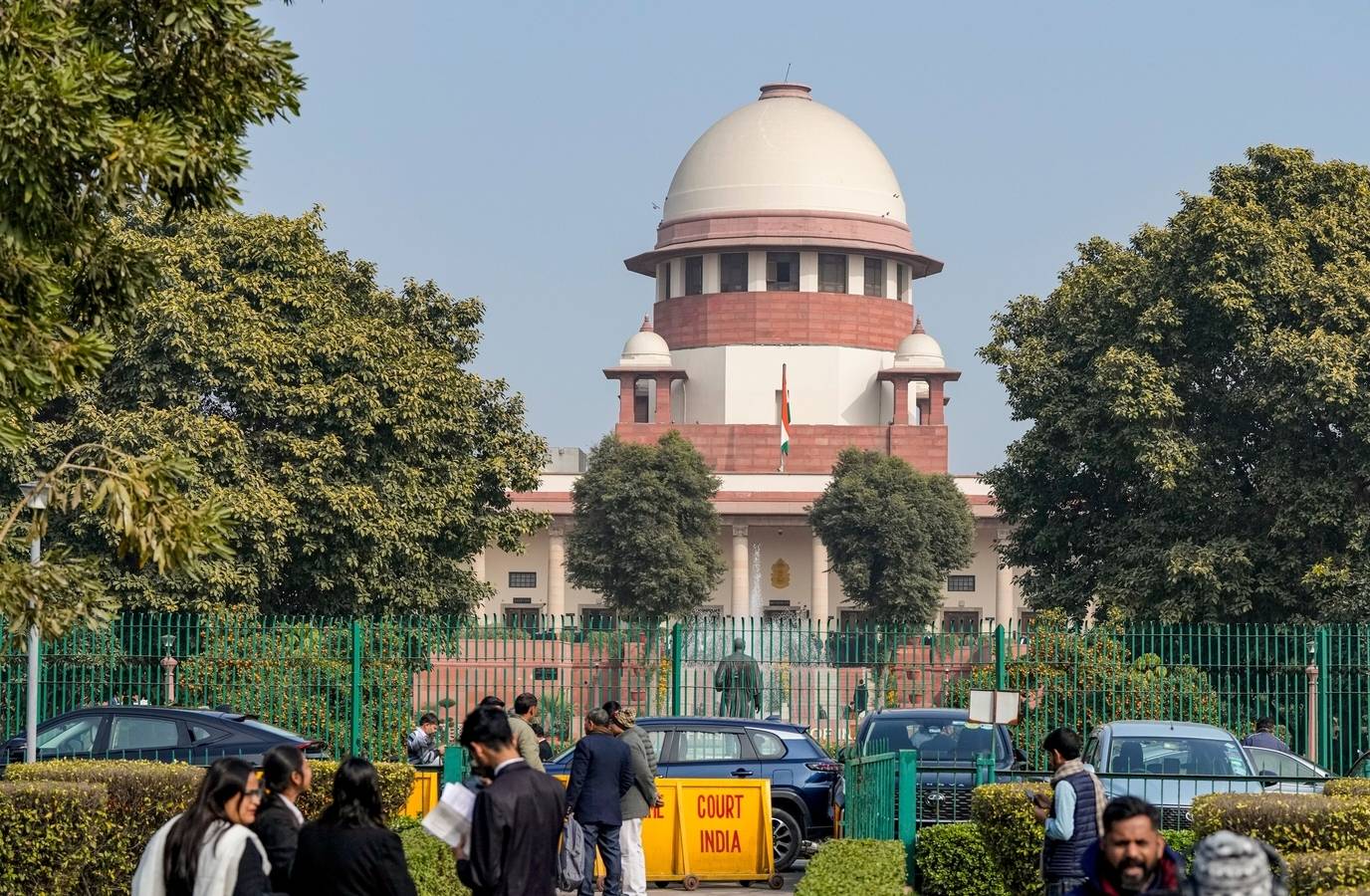
The Supreme Court has ruled that the right to travel abroad cannot be viewed in isolation, emphasizing the need for a balance between the accused's liberty and the victim's right to a speedy trial.
A bench of justices Dipankar Datta and Satish Chandra Sharma set aside the Telangana high court's order allowing businessman Guniganti Ravinder Rao to travel to the United States for medical treatment, citing undue leniency in the case.
The court stressed that no fundamental right is absolute and that reasonable restrictions may be imposed where societal interests and the justice system require it.
The judgment reinforces the Supreme Court's growing emphasis on victims' rights within the criminal justice process, making it clear that personal liberty cannot be invoked in a manner that undermines the equally protected right of victims and their families to see criminal proceedings concluded within a reasonable time.
The case arises from a complaint lodged in October 2014 regarding the suspicious death of the complainant's father, with the trial yet to commence nearly ten years later.