Thamizharasi, a 56-year-old resident of Urappakkam near Chennai, has been receiving financial assistance of ₹1,000 per month for the past 23 months under the state government's Kalaignar Magalir Urimai Thogai scheme.
She also uses free bus travel, made available through the Vidiyal Payanam scheme, for work and to visit her daughters.
Thamizharasi lives in a house built under a government scheme, Kalaignar Kanavu Illam Scheme, formally announced in FY2024-25.
Welfare schemes are not new to Tamil Nadu, which pioneered them under the Dravidian parties, DMK and AIADMK.
Leader of opposition Edappadi K Palaniswami announced that his party would provide free refrigerators to ration card holders and expand the benefits of the free bus travel scheme to include men.
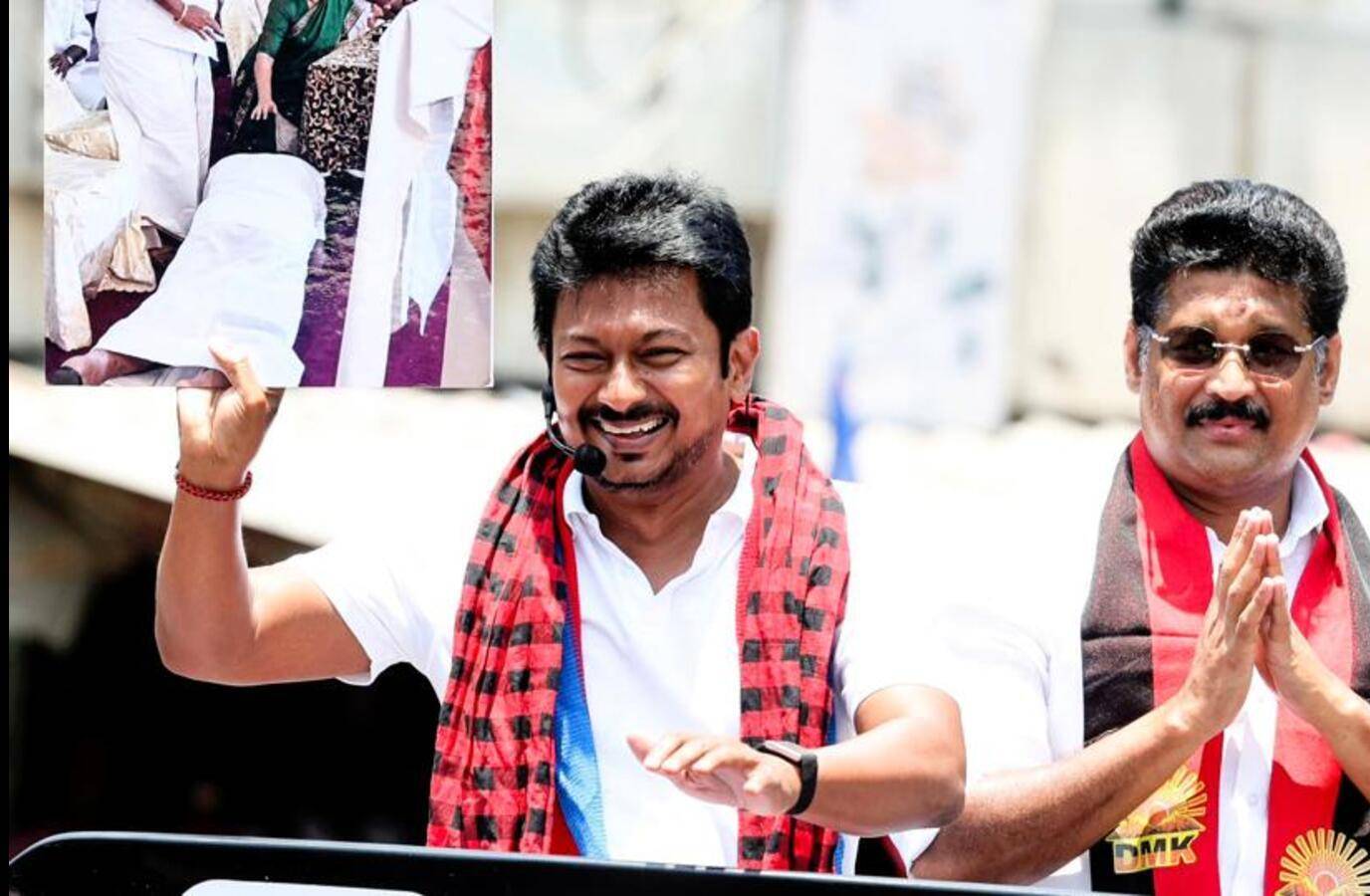
Incumbent DMK has an edge when it comes to welfare schemes and handouts, as it can transfer real money instead of promises.
Tamil Nadu's debt has grown from ₹5,60,000 lakh crore in 2021-22 to ₹9,52,374 lakh crore in 2025-26.
Despite high debt, Tamil Nadu is much better than other states on debt-GSDP ratio, according to PRS Legislative study.
Many of these schemes were aimed at reducing income inequality and improve living conditions, but the question remains whether they have achieved their objectives.