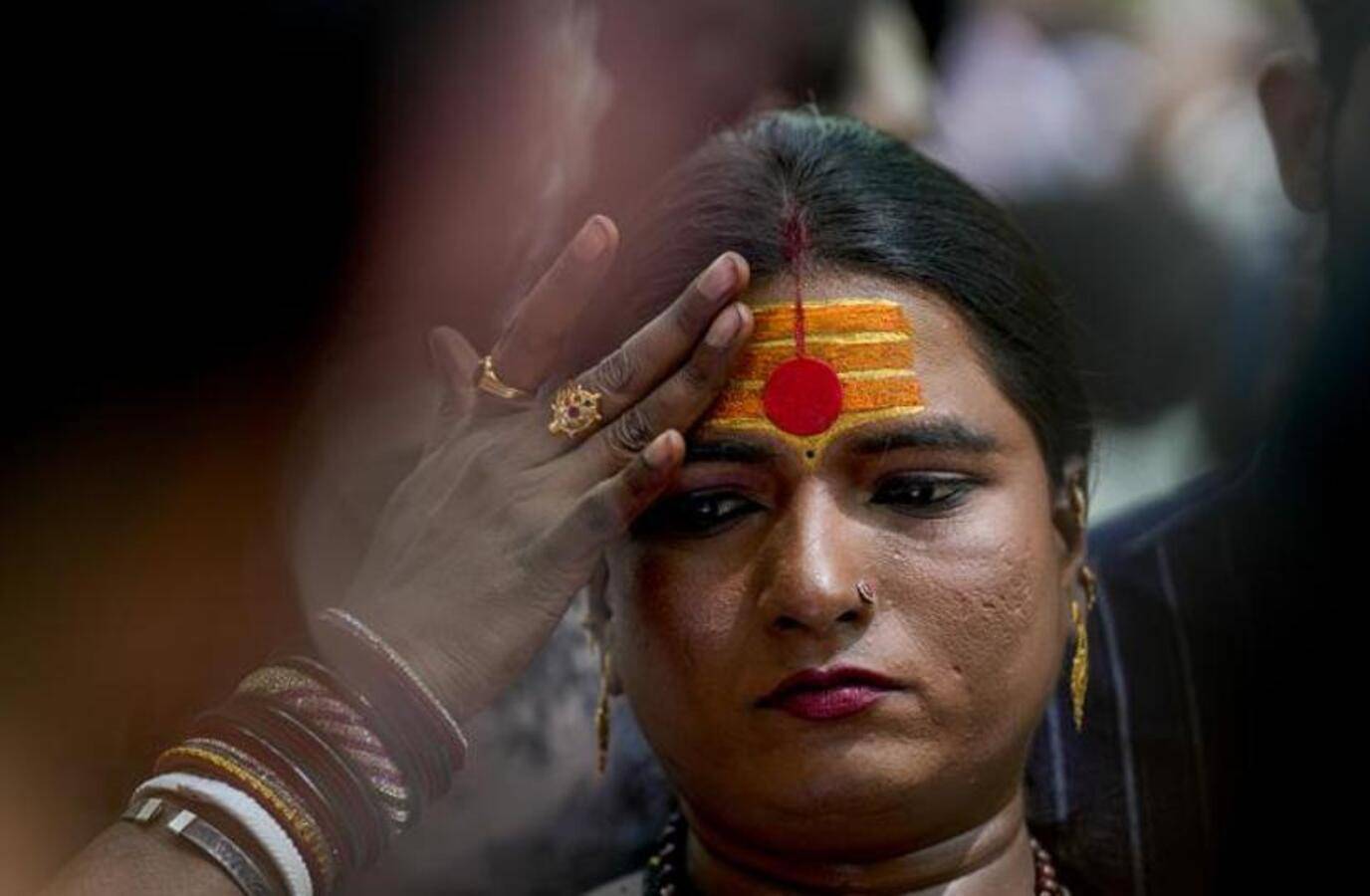
Transgender identities have long been part of India's social and cultural landscape. The recent passage of the Transgender Persons (Protection of Rights) Amendment Bill 2026 has reignited debates on gender identity, self-identification, and dignity. To understand contemporary issues, it's essential to examine the historical recognition of gender diversity in India.
Ancient texts such as the Kama Sutra and Manusmriti refer to Tritiya Prakriti, or a 'third gender,' acknowledging gender diversity. In Brahmanical and Buddhist thought, gender was understood through the presence or absence of specific primary and secondary sexual characteristics. Jains distinguished between dravyalinga (biological sex) and bhavalinga (psychological gender).
Hindu mythology reflected ideas of gender fluidity through figures such as Ardhanarishvara, Shikhandi, and Mohini, presenting non-binary or fluid gender identities as part of the divine order. Transgender individuals were involved in religious ceremonies, temple service, and broader cultural practices.
In the medieval period, transgender persons held significant positions under the Delhi Sultanate and then the Mughal Empire, often serving as trusted members of the royal household. The Ain-i-Akbari provides detailed accounts of the roles played by hijras in the Mughal administration.
However, under colonial rule, the position of transgender communities in India changed significantly. The British rulers imposed moral frameworks influenced by the Victorian period, viewing gender and sexual diversity with suspicion. Laws such as Section 377 of the Indian Penal Code (1860) criminalised same-sex relations, while the Criminal Tribes Act (1871) targeted 'eunuchs.'