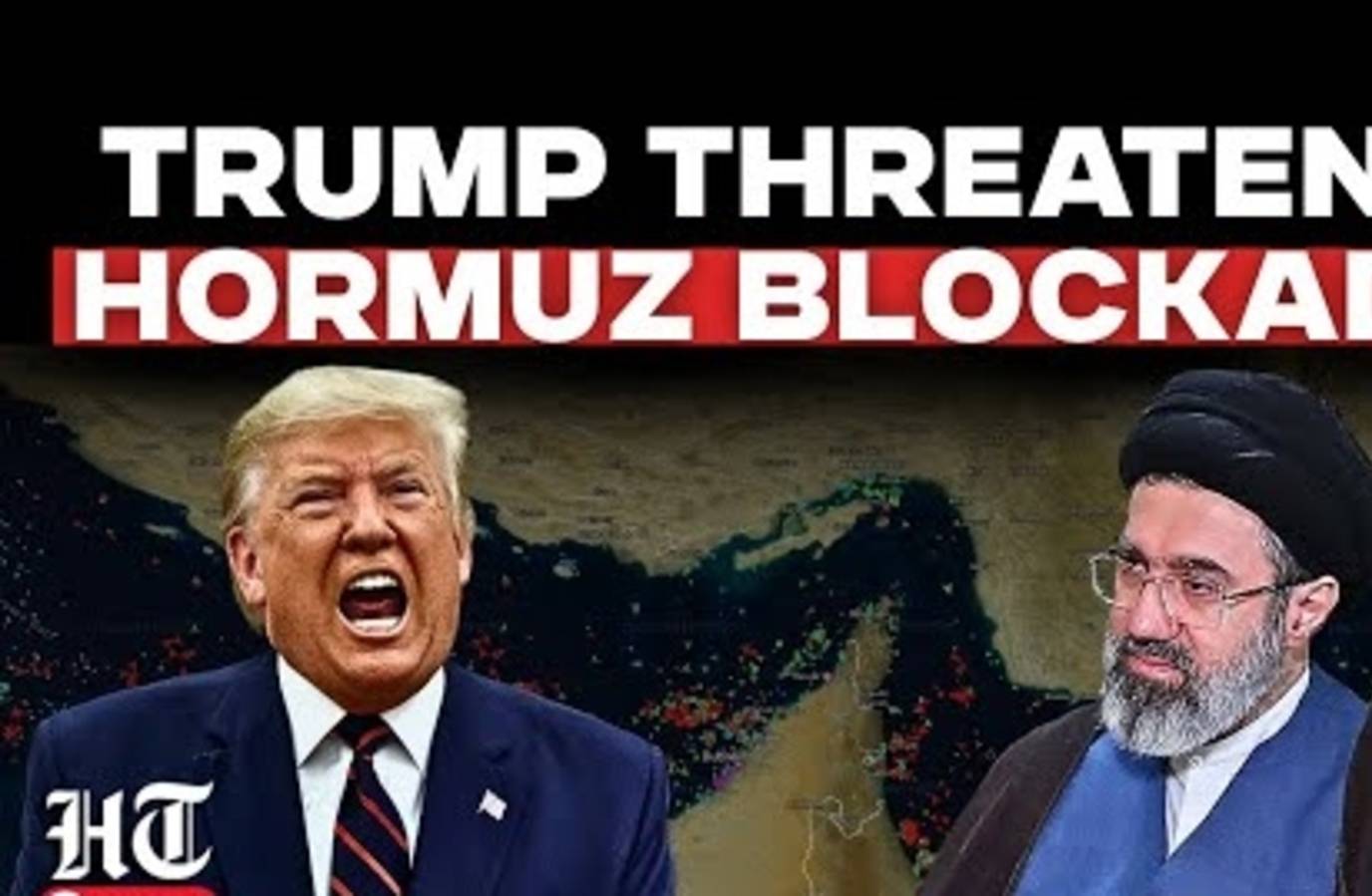
President Donald Trump has announced a naval blockade on the Strait of Hormuz, escalating tensions after US-Iran ceasefire talks failed in Islamabad, Pakistan. The move aims to halt maritime traffic through the critical chokepoint, effectively freezing commercial movement until 'safe passage' conditions are restored.
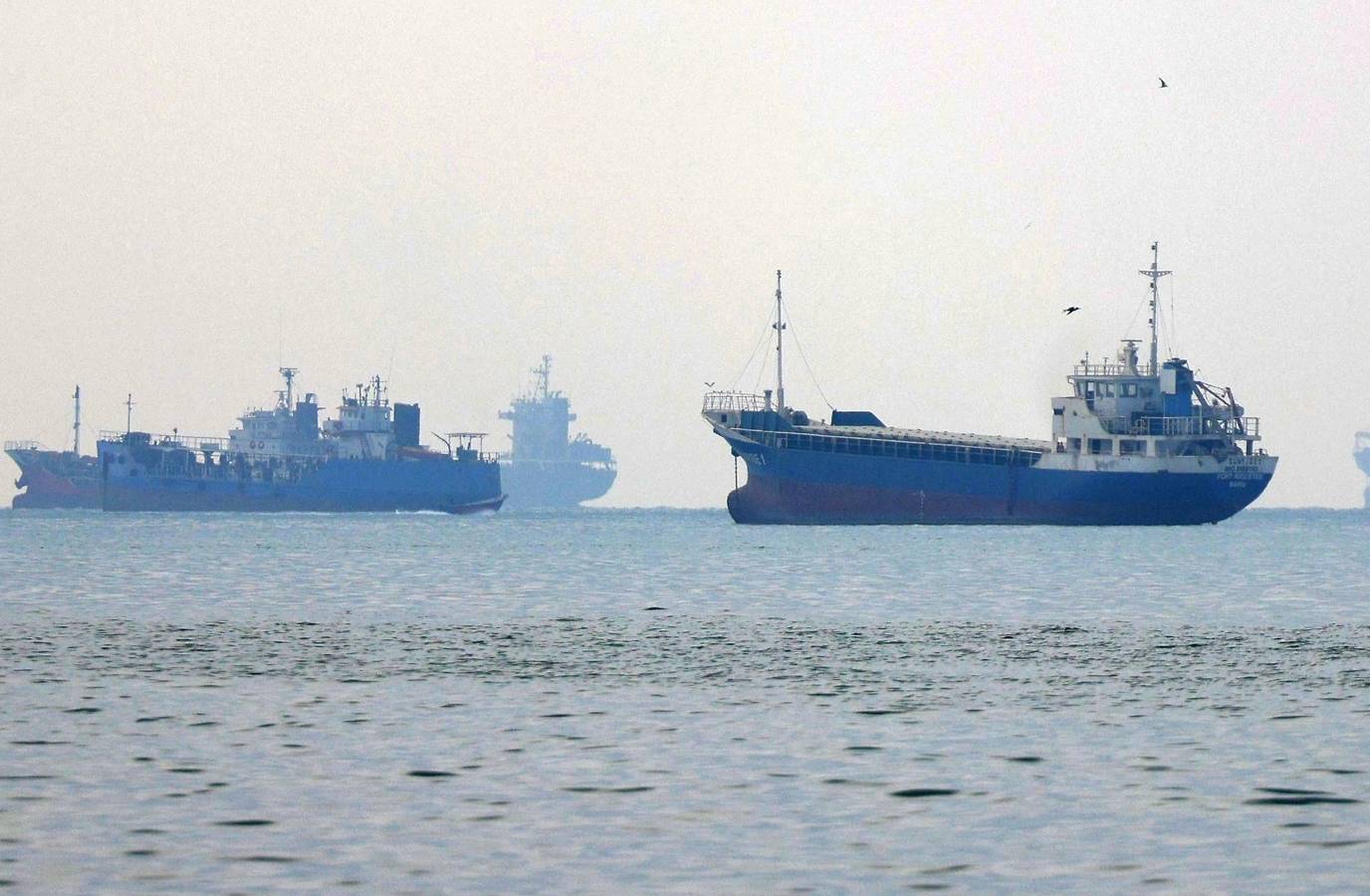
The US Navy has been ordered to stop, search, and 'interdict' vessels attempting to enter or exit the strait, targeting those that have paid transit fees to Tehran, which the US considers illegitimate.
Even before the blockade, traffic through Hormuz had slowed dramatically, with some vessels still managing to pass under exceptional conditions. The Strait of Hormuz carries roughly 20% of global oil and gas supplies, making any disruption immediately felt worldwide.
Oil prices have already surged, up nearly 30% since the conflict began, with some cargoes reportedly trading above $140 per barrel. Analysts warn the blockade could tighten supply further, increasing the risk of escalation.